

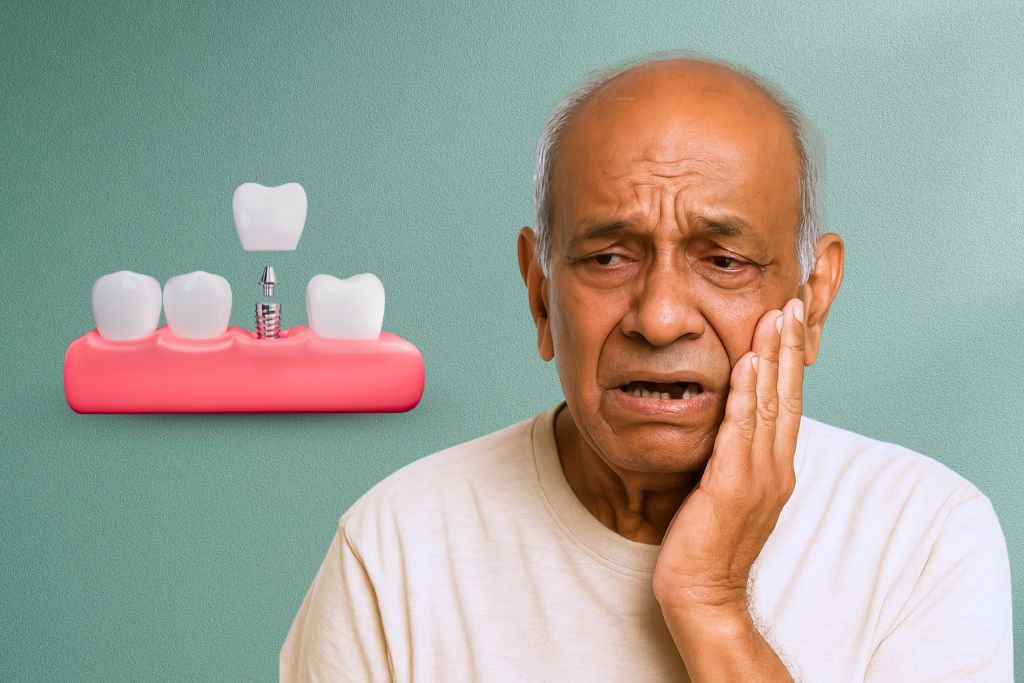
Most people don’t panic the moment a tooth goes missing.
The first thought is usually something like:
“It’s just one tooth… I’ll get it fixed later.”
And later it will be a few months.
Then it becomes, “It’s not hurting, so why rush?”
This is exactly what many people say when they visit City Dental Ambikapur for missing tooth treatment in Ambikapur, and by the time they finally come in, that small delay has usually created a bigger chain of problems.
If you’ve been putting off replacing a missing tooth, this blog is for you.
Not to scare you, just to explain what really happens behind the scenes in the simplest, friendliest way.
Why People Usually Delay Tooth Replacement
It’s not stubbornness. It’s usually things like:
- “There’s no pain, so it must be fine.”
- “I’m too busy with work right now.”
- “I’ll think about it after this trip/wedding/season.”
- “It’s at the back… no one can see it anyway.”
- “It’s probably expensive; I’ll deal with it later.”
And the most relatable one:
“I’ll go next week.”
(Next week rarely comes.)
The problem is, teeth don’t wait.
They quietly shift, rotate, tilt, and cause trouble even when you feel nothing on the surface.
What Really Happens When a Tooth Is Missing
Let’s break it down like a simple chain reaction.
1. Neighbouring teeth start drifting
When one tooth is gone, the tooth next to it slowly starts leaning into the empty space.
It doesn’t happen overnight, but it does happen.
2. Opposite tooth begins to ‘grow down’
Teeth support each other.
When the partner tooth below or above goes missing, the opposite tooth tries to move into the empty spot.
3. Your bite becomes imbalanced
This affects how you chew, how your jaw rests, and even how your face feels.
4. Food gets trapped easily
That space becomes a pocket that holds food, causing more plaque and smell.
5. Bone starts shrinking or thinning
This is something most people don’t know, the jawbone under a missing tooth slowly reduces because it’s not being used.
All of this starts quietly.
No warning.
You’ll usually notice it months later, once the damage is already happening.
Why Replacing a Tooth Matters (Even If It Doesn’t Hurt Yet)
Here’s a simple thing we tell visitors at City Dental Ambikapur:
Pain is the last sign. Problems begin long before that.
Replacing a missing tooth early helps you:
- Maintain proper chewing
- Keep your jaw shape balanced
- Prevent teeth from shifting
- Avoid long-term dental work
- Keep your smile from looking collapsed
- Maintain natural facial structure
Think of tooth replacement not as a cosmetic issue but a functional one.
Your chewing, your bite, your smile, everything depends on it.
What’s the Safest Missing Tooth Treatment in Ambikapur?
Understanding the Safest Options for Missing Tooth Replacement
When you visit for missing tooth treatment in Ambikapur, the best method depends on:
- How long has the tooth been missing
- Your gum health
- How strong the neighbouring teeth are
- Your chewing style
- Your age and oral habits
Here are the commonly chosen, safe treatments explained simply:
1. Dental Implants (Natural-Looking & Strong)
Implants act like the root of a tooth. They preserve the bone and give strong chewing support.
Why it’s one of the safest options:
- Feels like a natural tooth
- Doesn’t affect neighbouring teeth
- Maintains jawbone health
- Long-lasting
- Great for people of all ages
If you want something that feels closest to a real tooth, implants often top the list.
2. Dental Bridges (Reliable & Quick)
A bridge uses the teeth on either side of the gap for support.
Why people choose it:
- Quick procedure
- Fixed in place
- Looks natural
- Great for single missing teeth
A good choice when neighbouring teeth are strong and healthy.
3. Partial Dentures (Comfortable & Functional)
Modern partial dentures are far more comfortable than the old ones you may have seen in the past.
Why they’re safe:
- Lightweight
- Easy to maintain
- Good for multiple missing teeth
- Custom-made to fit your mouth
They’re especially useful when you have several spaces to fill.
What Happens If You Delay Tooth Replacement Further?
Delaying doesn’t just keep the gap open, it causes more trouble over time.
1. Speech changes
Missing teeth can affect how clearly you pronounce certain words.
2. Chewing becomes uneven
You start chewing more on one side, which strains your jaw.
3. Facial shape changes
A shrinking jawbone affects how your lower face looks, giving a sunken appearance.
4. Gum problems increase
Food gets stuck more easily, leading to swelling and bad breath.
5. Future treatment becomes more complicated
A simple tooth replacement becomes a larger procedure if the bone and gums have shifted too much.
Pro Tip:
If a tooth is missing, treat the empty space like a repair that you shouldn’t postpone, just like you wouldn’t ignore a broken tile or loose door hinge at home.
Small issues become big ones if left unattended.
Most Common Signs That You Should Replace Your Missing Tooth Now
- Your other teeth feel like they’re shifting
- Chewing feels tougher than before
- Food gets stuck more often
- Your jaw feels tired after eating
- You notice slight speech changes
- The gap looks bigger than before
These are your mouth’s way of saying:
“It’s time to stop delaying.”
What to Expect at City Dental Ambikapur During Tooth Replacement
We keep it simple, friendly, and comfortable.
Here’s how your visit usually goes:
- First, we check your gums, teeth, and bone health
- Then we show you which replacement options suit your situation
- You understand how each option works
- We guide you on what’s safe and practical
- You take your time deciding
We explain everything in a way that feels like a conversation, not a lecture.
Pro Tips to Keep Your Smile Healthy After Replacement
- Brush gently twice a day
- Rinse after meals
- Avoid chewing very hard objects
- Keep regular check-ups
- Be mindful of grinding habits
- Clean around dental implants, bridges, or dentures properly
Good habits give a longer life to your new tooth.
FAQs
1. How soon should I replace a missing tooth?
Ideally, as early as possible. When you delay, neighbouring teeth start shifting, gums become weaker, and the bone underneath slowly reduces. Replacing a tooth early keeps your bite stable and prevents bigger dental issues later.
2. Is missing tooth treatment in Ambikapur safe for older adults?
Yes. Age is not a barrier. What matters is gum health and bone strength. Many older adults successfully choose implants, bridges, or dentures depending on their comfort and oral condition. At City Dental Ambikapur, we help you find the safest and most comfortable option.
3. What happens if I leave a missing tooth untreated for years?
Several changes occur quietly, the neighbouring teeth tilt, the opposite tooth grows into the empty space, chewing becomes difficult, and bone starts shrinking. Over time, these issues make replacement more complicated and may require extra steps to fix.
4. Will the replacement tooth look natural?
Yes. Modern dental replacements are designed to match your natural teeth in shape, colour, and size. Whether it’s an implant, bridge, or denture, the goal is to make your smile look balanced and natural, without any obvious difference.
5. Can replacing a missing tooth help improve chewing?
Absolutely. A missing tooth forces your mouth to overwork one side, which strains the jaw. When the gap is replaced, chewing becomes balanced again, making eating more comfortable and improving digestion too.
Ready to Stop Delaying and Fix That Missing Tooth?
If you’ve been thinking about missing tooth treatment in Ambikapur and want clarity, comfort, and a friendly approach, City Dental Ambikapur is here to help.
You can walk in, understand your options, ask questions freely, and take your decision at your own pace.
Whenever you’re ready to fill that gap and bring balance back to your smile, we’ll be right here to guide you, warmly, calmly, and without pressure.